Get Handicap Ramp Repair
Handicap ramp repair services help property owners fix and upgrade existing ramps to ensure safety, accessibility, and compliance for individuals with mobility challenges.
If you are considering handicap ramp repair services, you are in the right place to explore your options. Property owners in the area often look into repair solutions to enhance accessibility, safety, and convenience for residents, visitors, or clients. Whether addressing wear and tear or planning upgrades to meet current needs, understanding the available local contractors can help ensure the work is handled effectively and to your satisfaction. Keep reading to learn more about how local service providers can assist with your project.
Comparing local contractors who specialize in handicap ramp repair can provide valuable insights into the range of services and expertise available nearby. Planning a repair or upgrade involves evaluating different options to find the best fit for your property’s specific requirements. This page provides resources to help property owners connect with experienced local service providers, making it easier to gather information and make informed decisions about your accessibility improvements.
- Handicap ramp installation - needed when a new accessible entryway is required for a property.
- Ramp repair and restoration - necessary after damage or wear has compromised an existing handicap ramp.
- Ramp extension services - requested when an existing ramp needs to be lengthened to meet accessibility standards.
- Non-slip surface application - essential for improving safety on handicap ramps in wet or high-traffic areas.
- Ramp replacement services - appropriate when a structure is outdated, unsafe, or beyond repair.
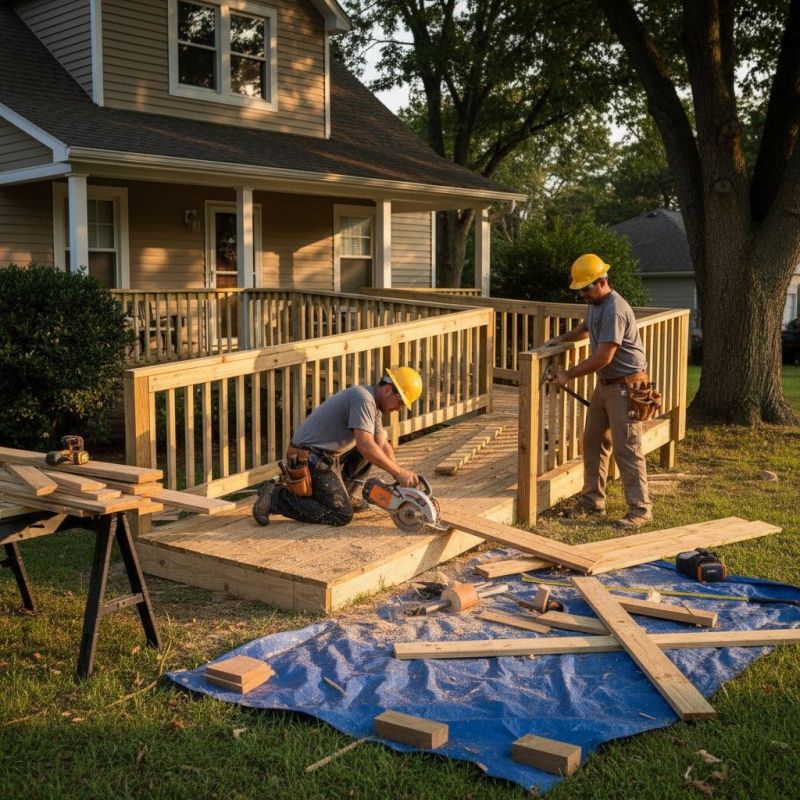
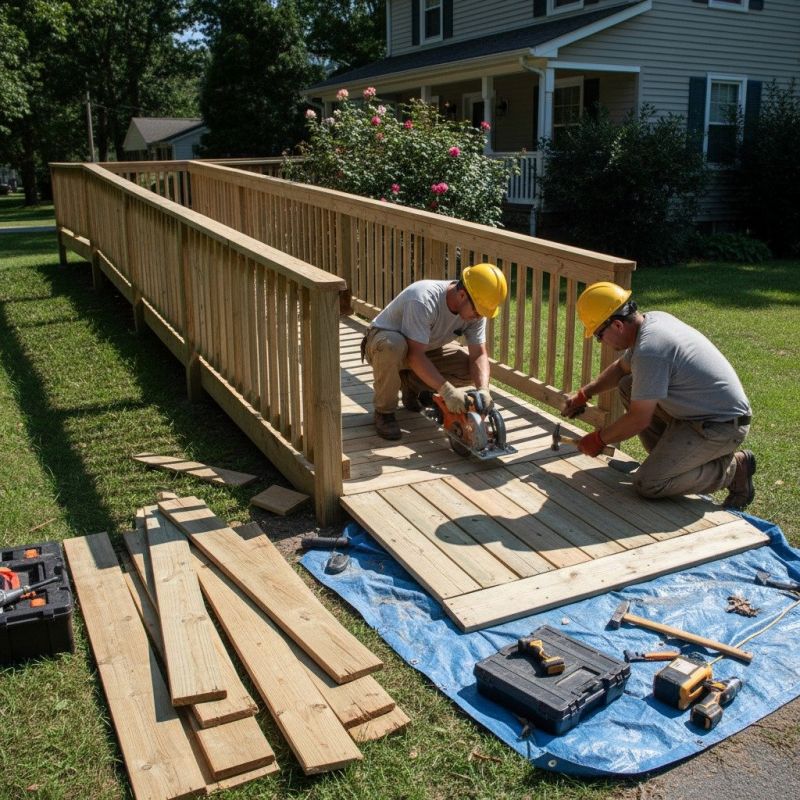
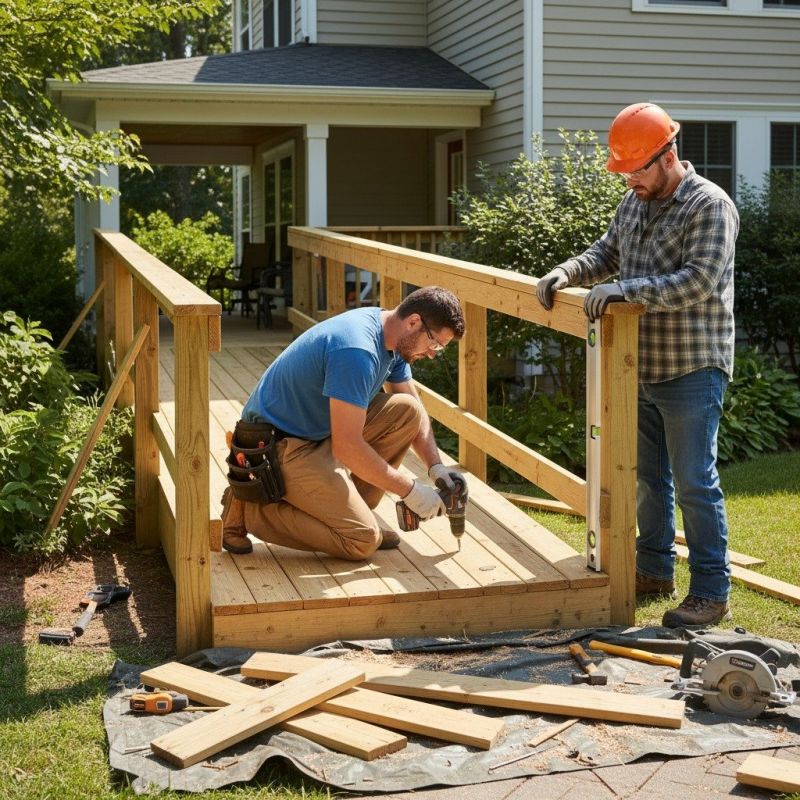
Handicap ramp repair services focus on fixing and restoring accessibility features that allow individuals with mobility challenges to move safely and comfortably into and around their properties. These services typically involve assessing the existing ramp structure, identifying any damage or deterioration, and performing necessary repairs to ensure stability, safety, and compliance with accessibility standards. Repair work may include replacing broken or worn-out components, reinforcing the ramp’s foundation, and addressing issues such as loose handrails or uneven surfaces. The goal is to restore the ramp’s functionality, making it a reliable and secure pathway for users.
Many common problems that handicap ramp repair services address include structural damage caused by weather, age, or heavy use, as well as issues stemming from improper installation or wear and tear over time. Cracks, warping, or rotting materials can compromise the ramp’s integrity, while loose or damaged handrails can pose safety hazards. Additionally, uneven surfaces or missing parts can create tripping hazards or make it difficult for mobility devices to traverse the ramp smoothly. Repairing these issues helps prevent accidents, ensures ongoing accessibility, and extends the lifespan of the ramp.
These repair services are frequently needed for a variety of property types, including residential homes, apartment complexes, assisted living facilities, and commercial buildings. Homeowners who want to maintain or improve the accessibility of their properties often seek out local contractors for repairs to existing ramps. Similarly, property managers and business owners may require repairs to ensure compliance with accessibility laws and provide safe access for clients, residents, or employees. Regardless of the property type, professional repair services help maintain the safety and usability of handicap ramps for those who depend on them daily.
When considering handicap ramp repair, it’s important to recognize signs that repairs may be needed. These include visible damage such as cracks, loose or missing components, or instability when walking or using a mobility device. If the ramp feels unsafe or is difficult to navigate, it’s advisable to contact local service providers who specialize in accessibility repairs. These professionals can evaluate the condition of the ramp, recommend necessary repairs, and help ensure that the property remains accessible and safe for all users.
The overview below groups typical Handicap Ramp Repair projects into broad ranges so you can see how smaller, mid-sized, and larger jobs often compare in your area.
In many markets, a large share of routine jobs stays in the lower and middle ranges, while only a smaller percentage of projects moves into the highest bands when the work is more complex or site conditions are harder than average.
Smaller Repairs - Many routine ramp repairs, such as fixing handrails or patching minor damage, typically fall in the $250-$600 range. These projects are common and often completed quickly by local contractors. Costs can vary depending on the extent of the repair and materials needed.
Moderate Repairs - Mid-sized projects like replacing sections of the ramp or upgrading surface materials usually cost between $600-$2,000. These jobs are frequent and may involve more extensive work to ensure safety and compliance.
Major Renovations - Larger projects, such as rebuilding a ramp or adding new features, often range from $2,000-$5,000. Many local service providers handle these projects, which can take more time and resources to complete.
Full Replacement - Complete ramp replacements or custom installations can exceed $5,000, with some complex projects reaching higher costs. These are less common but are handled by experienced contractors for durable, long-term solutions.
Actual totals will depend on details like access to the work area, the scope of the project, and the materials selected, so use these as general starting points rather than exact figures.
Wheelchair Ramp Installation - professionals who install wheelchair ramps often have skills in site assessment, planning, and working with various materials similar to those used in handicap ramp repairs.
Accessibility Renovations - contractors specializing in accessibility upgrades are experienced with modifying existing structures to meet mobility needs, sharing planning and construction skills with ramp repair services.
Concrete Repair and Replacement - local contractors skilled in concrete work can handle repairs or replacements of damaged ramp surfaces, ensuring safety and durability.
Handrail Installation and Repair - experts who install or repair handrails for stairs and ramps have similar skills in working with metal and wood components to improve safety features.
Exterior Staircase Repairs - professionals experienced in fixing outdoor stairs understand the planning and structural considerations common to ramp and stair repair projects.
Structural Reinforcement Services - service providers who reinforce or stabilize structures can apply their expertise to ensure ramps are safe and reliable for daily use.
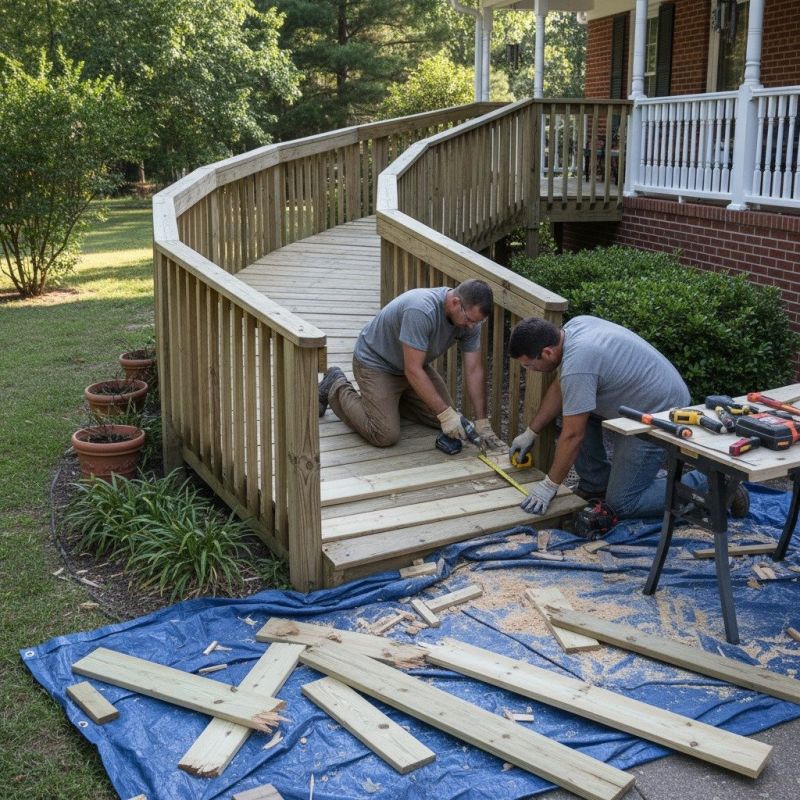
When comparing service providers for handicap ramp repair, it’s important to evaluate their experience with similar projects. Homeowners should seek out local contractors who have a proven track record of handling ramp repairs comparable in scope and complexity. This can be determined by reviewing the types of projects they have completed and asking for examples or references that demonstrate their familiarity with the specific requirements of handicap ramp modifications and repairs. An experienced professional is more likely to understand the nuances involved and deliver a solution that meets safety and accessibility needs effectively.
Clear, written expectations are essential to ensure that both the homeowner and the contractor are aligned on the scope of work. When considering local pros, it’s helpful to request detailed descriptions of the services they provide, including any warranties or guarantees, and to confirm that these are documented in writing. This transparency helps prevent misunderstandings and provides a basis for accountability. Homeowners should also inquire about the process for handling unforeseen issues or changes during the project, ensuring that expectations remain clear throughout the repair process.
Reputable references and good communication are key indicators of a trustworthy service provider. Homeowners should ask for references from previous clients who had similar work done and follow up to learn about their experiences. Additionally, effective communication from the contractor-such as prompt responses to questions and clarity in explaining options-can make the process smoother and more predictable. It’s important to choose local pros who demonstrate professionalism, transparency, and a willingness to address concerns, as these qualities contribute to a positive repair experience.
Property owners use Handicap Ramp Repair services for practical projects around their homes and businesses. This guide focuses on everyday jobs and straightforward project options.
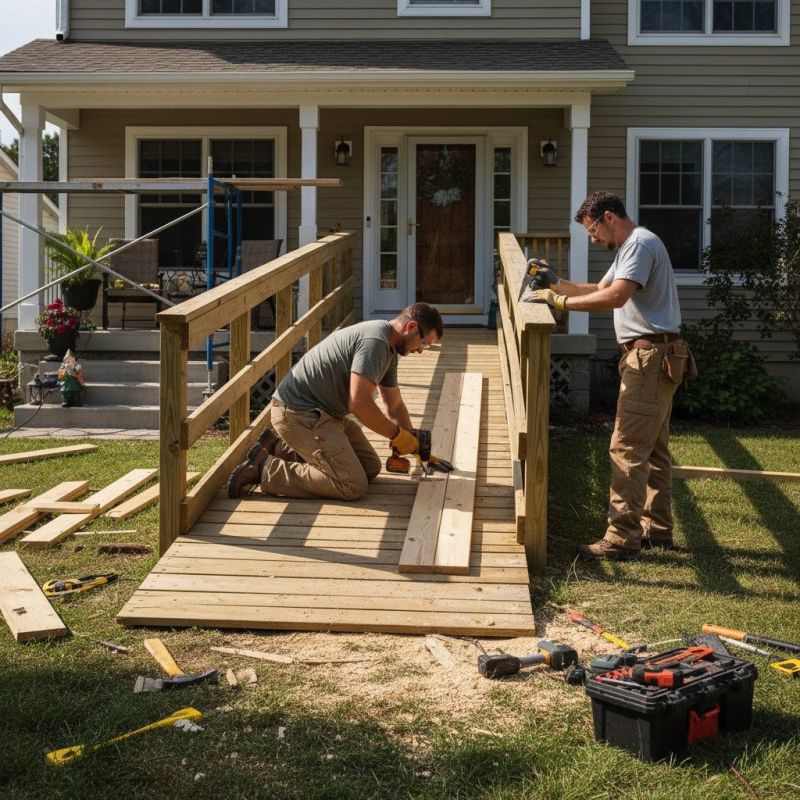
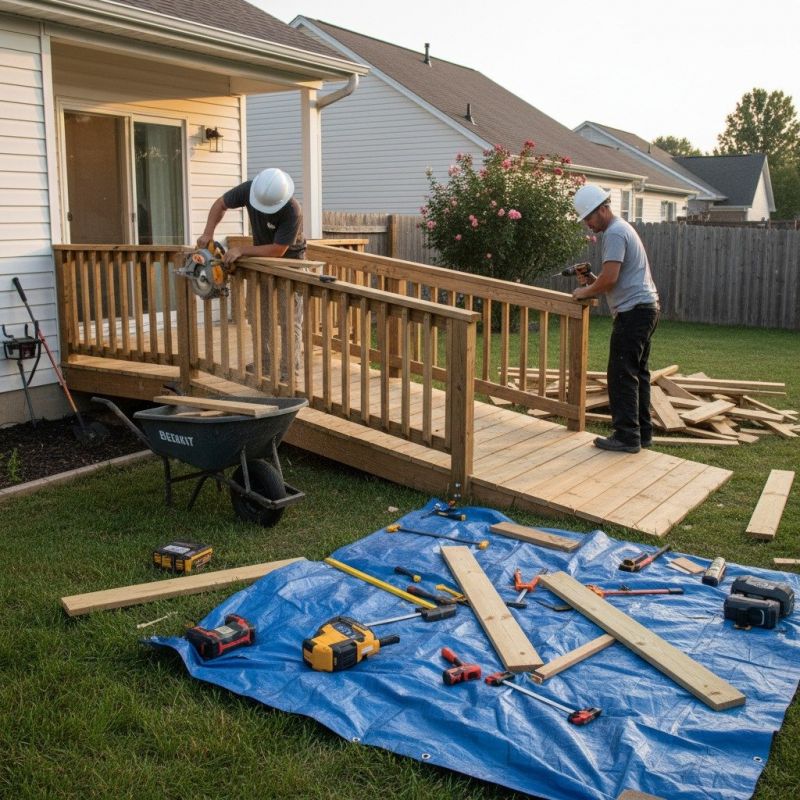
Handicap ramp repair services are often needed when existing ramps become damaged, worn, or no longer meet accessibility needs. Property owners may notice issues like loose handrails, unstable surfaces, or cracks that could pose safety concerns. Local contractors can help address these problems to restore safe access, whether for residential homes, apartment complexes, or commercial buildings, ensuring that mobility needs are adequately supported.
In many cases, property owners seek handicap ramp repairs after weather-related damage or regular wear and tear have compromised the structure. Additionally, some may need modifications or upgrades to better accommodate changing accessibility requirements. Local service providers can evaluate the condition of existing ramps and perform necessary repairs or improvements to keep pathways safe and functional for all users.
What types of handicap ramp repairs do local contractors handle? Local service providers can repair various issues such as damaged panels, loose handrails, uneven surfaces, and structural weaknesses to restore safety and accessibility.
How can I tell if my handicap ramp needs repairs? Signs include wobbling, cracks, corrosion, difficulty in maneuvering, or visible damage that affects the ramp’s stability and safety.
Are there different repair options for different ramp materials? Yes, local contractors can repair a range of materials including wood, aluminum, and concrete, offering solutions tailored to each type.
What should I consider when choosing a contractor for handicap ramp repair? It's important to review their experience with similar repairs, verify references, and ensure they are familiar with local building codes and safety standards.
Can repairs extend the lifespan of my existing handicap ramp? Proper repairs can help maintain the ramp’s functionality and safety, potentially extending its usable life and preventing further damage.
Residential Accessibility Improvements - Property owners can enhance entryways for easier access by hiring local contractors to repair or replace worn or damaged ramps.
Commercial Property Adjustments - Business owners may update or modify existing ramps to meet changing accessibility needs or to comply with updated standards.
Renovation and Remodeling Projects - During home or building renovations, property owners can incorporate ramp repairs to ensure continued accessibility throughout the project.
Emergency Accessibility Solutions - In urgent situations, local service providers can quickly address ramp issues to maintain safe and accessible entry points.
If you are thinking about Handicap Ramp Repair for a property, this guide is meant to help you understand the work, the typical project types, and how different options might fit your plans.
When you are ready, you can use the quote form on this page to share a few details about your project. From there, local pros can review the basics and respond with options that match what you have in mind.